The Sinking City 2The Sinking City 2Independent player notes

GuidesEnemies and monsters

Enemies and monsters: when to fight or evade

Short answer: do not treat every encounter as a room that must be cleared. Fight when a threat blocks required progress and your supplies can absorb a mistake; evade when an exit is open and the reward is optional; return later when a shortcut or stronger loadout can turn a costly fight into a controlled one.

This guide separates officially confirmed creature behavior from practical survival decisions. It does not assign unverified damage numbers, health totals, or universal weak points.

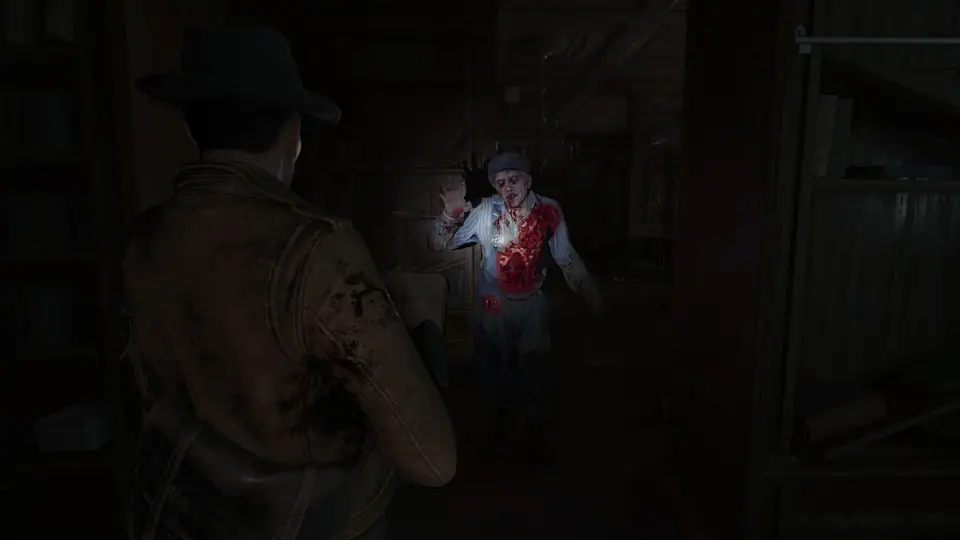
Calvin aims at a bloodied humanoid enemy inside a dark wood-panelled room
Identify the space and your escape lane before committing resources · © 2019–2026 Frogwares Ireland Ltd. Source: Steam store, app 2825860

Fight, evade, or return later?

Frogwares' own support guidance says to use focused aim on enemy weak points, but it also says that many encounters can be avoided. The decision table below turns that guidance into a quick room check; it is not a hidden damage formula.

Fight, evade, or return-later room check
DecisionUse it whenBefore you commit
Fight nowThe enemy blocks required progress, the room gives you space, and you have enough healing and loaded ammunition for an error.Find the exit, remove nearby ambushers, then focus your aim.
EvadeThe route is optional, supplies are low, or the creature's speed, cover use, or ambush angle makes the room unfavorable.Keep moving toward the objective instead of firing merely to hold ground you do not need.
Return laterThe area contains optional supplies or an investigation and a shortcut lets you revisit it with a better-equipped build.Mark the route, reach a refuge, restore your inventory, and come back with a specific purpose.

Official combat guidance: Frogwares Support — “Combat is too hard / I don't have enough ammo”.

Official enemy index

The profiles below use launch-version descriptions from Frogwares creature designer Evgeny Maloshenkov and the current console store. This is not a speculative carry-over list from the first game or an early development roster.

Slither Worms and Abominations

Confirmed behavior: Slither are worm-like deep-sea parasites. Individually they are barely sentient; colonies form a hive mind that can control human corpses. Frogwares describes two stages of infestation, with movement and behavior changing as the colony develops.

Field read: Treat a moving corpse as a parasite-controlled threat, not a conventional zombie. The official sources do not publish a universal damage value or single weak-point formula for every Slither form.

Stygian Harvester

Confirmed behavior: Small and relatively fragile, but dangerous through speed, numbers, and ambushes. It dodges, hides when threatened, and prefers darkness before striking again.

Field read: Do not chase one blindly into an unlit corner. Re-establish sight lines and check the room before spending scarce ammunition.

Acheronian Juggernaut

Confirmed behavior: A fused, multi-limbed Wylebeast that is powerful and resilient, but slow for its size. Frogwares says its behavior and attacks were redesigned for the sequel.

Field read: Its slow movement can create room to disengage. For named arena and boss-like encounters, use the separate boss guide rather than assuming every encounter follows one script.

Lethian Revenant

Confirmed behavior: A transformed humanoid Wylebeast that avoids direct confrontation, relying on ranged attacks and retreating behind cover.

Field read: Account for cover and projectiles before advancing. A retreating creature may still be controlling the engagement from range.

Deep One Raider

Confirmed behavior: An ocean-dwelling, fish-like humanoid built around close-range claw attacks and sudden sprints. It can dodge unnaturally, drop to all fours, and rush a target.

Field read: Keep an escape lane and avoid being pinned in a narrow route. The source confirms its behavior, not a numerical damage threshold.

Shadows

Confirmed behavior: The current official store description says Shadows bend space and test nerves. It presents them as a distinct threat alongside Slither and Deep Ones.

Field read: The cited launch sources do not provide a complete weakness sheet for Shadows, so this guide does not invent one.

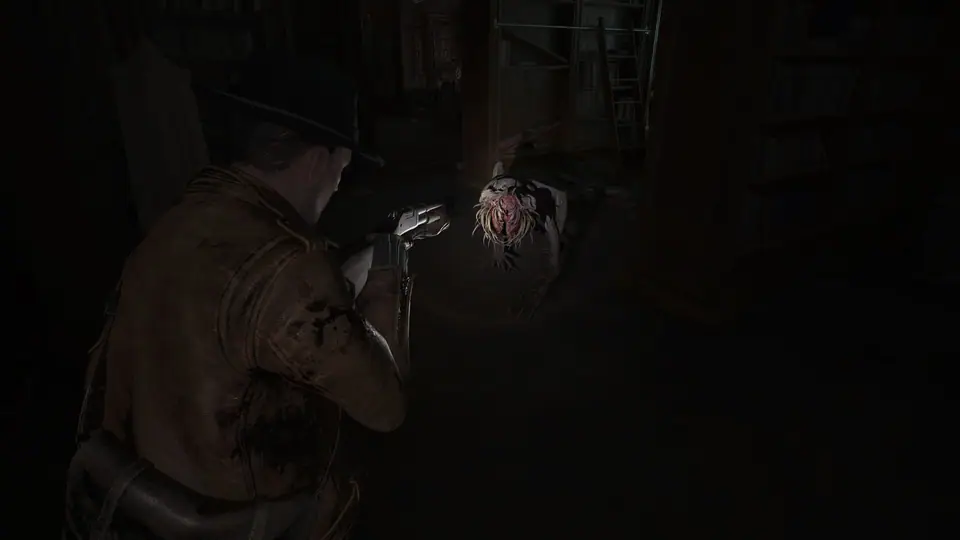
Calvin aims at a small tentacled creature between library shelves
A small silhouette does not make an ambush harmless · © 2019–2026 Frogwares Ireland Ltd. Source: Steam store, app 2825860

How to read each threat

Listen before entering

A Stygian Harvester uses darkness and hiding places. Pause at a threshold, check side routes, and avoid turning a single sighting into a blind chase.

Protect your spacing

Deep One Raiders can close distance suddenly, while a Lethian Revenant can pressure from cover. A route that works for one can be the wrong answer for the other.

Budget the room, not one target

Slither and Harvesters are described in terms of colonies, stages, numbers, and ambushes. Check what else can join the fight before using your last loaded weapon on the first body you see.

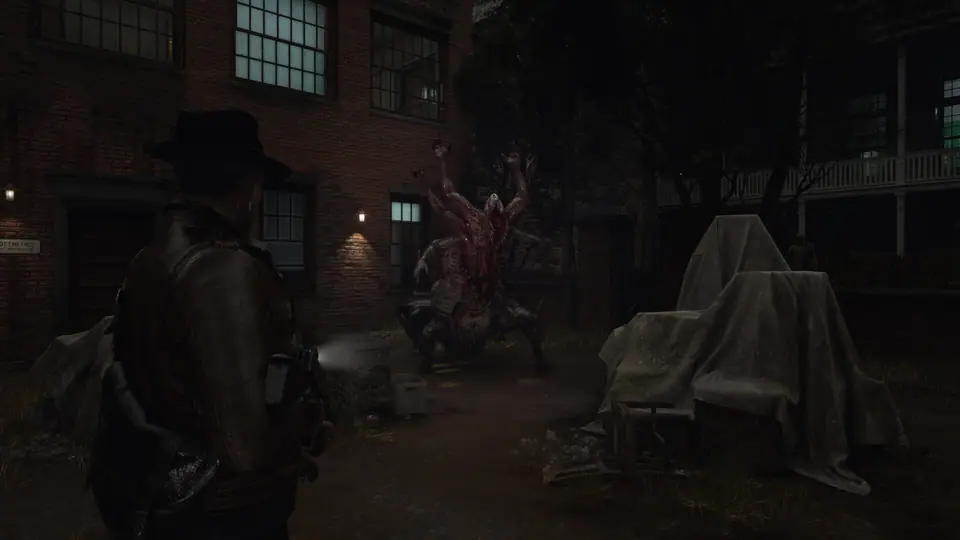
Calvin faces a large multi-limbed eldritch creature in an enclosed courtyard
Large encounters need space, supplies, and a known route out · © 2019–2026 Frogwares Ireland Ltd. Source: Steam store, app 2825860

Where this guide stops

This page is an enemy-recognition and engagement-decision guide. Use the boss and major fight guide for named arena mechanics, the weapons and upgrade guide for pickup locations, and the first-playthrough tips for broader inventory, saving, and exploration fundamentals.

Official survival overview

Frogwares' overview demonstrates the intended rhythm: investigate, manage what you carry, fight when necessary, and retreat when the risk outweighs the immediate reward.

Video: Frogwares on YouTube

Frequently asked questions

Do I have to fight every enemy?

No. Frogwares' support guidance says many encounters can be avoided. If health or ammunition is low, disengage, follow the main objective, and return after improving your equipment when the route allows it.

Are Slither just zombies?

No. Frogwares describes Slither as worm-like deep-sea parasites. A colony forms a hive mind and controls a human corpse indirectly, producing the awkward movement seen in the game.

Which enemy is best fought at range?

There is no official one-size-fits-all range rule. The Deep One Raider is a close-range rushing threat, while the Lethian Revenant uses ranged attacks and cover, so the safer spacing changes with the creature and the room.

Where are the boss strategies and weapon locations?

This page identifies recurring threats and helps with the fight-or-evade decision. Named arena mechanics belong in the boss guide; weapon and upgrade locations belong in the weapons guide.

Sources and verification boundary

The creature behaviors above come from Frogwares' launch-day design article. The current Xbox description independently confirms Slither, Deep Ones, and Shadows as the game's headline threat families. The tactical decisions are conservative applications of Frogwares' official combat advice; they are not datamined statistics.

Sources checked: August 25, 2026
Primary source: Frogwares creature designer Evgeny Maloshenkov, “Meet the Lovecraftian monstrosities of The Sinking City 2”, PlayStation Blog, August 18, 2026. Threat-family wording cross-checked against the current Xbox store listing.


Related questions